
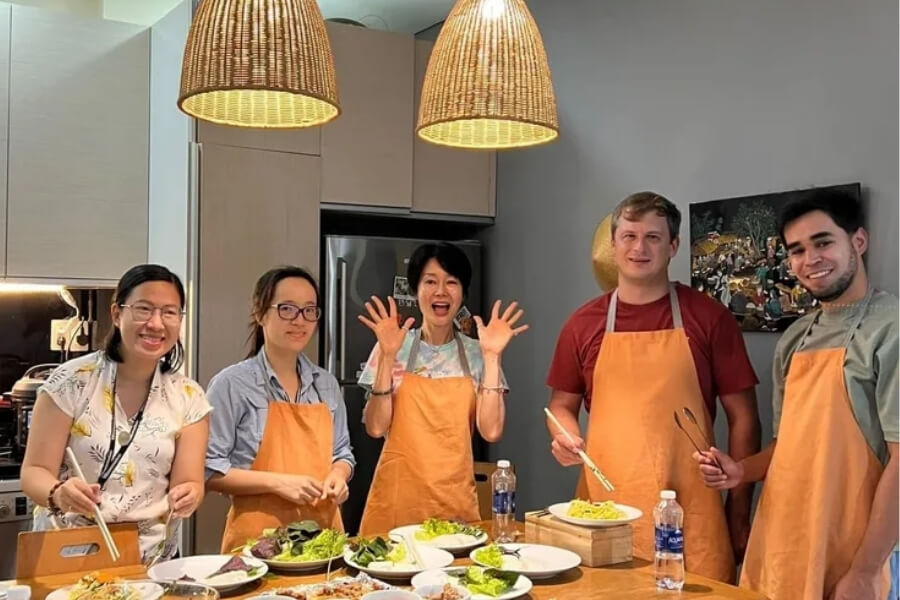

Traveling to Vietnam is not only about exploring dramatic landscapes or checking famous destinations off your bucket list. It’s about stepping into a world of rich traditions, heartwarming hospitality, and unforgettable meals that connect people across continents. And there’s perhaps no better way to truly taste the soul of Vietnam than joining a home-hosted dinner in Vietnam – an experience that goes far beyond just food.
For travelers who crave authenticity, cultural immersion, and meaningful human connection, a home-hosted dinner offers a window into the daily life of Vietnamese families. It’s a chance to sit at a local dining table, share stories over a steaming bowl of pho or crispy spring rolls, and understand the heartbeat of Vietnam – not from a guidebook, but from the smiles and stories of real people.
A Home-Hosted Dinner in Vietnam – More Than Just a Meal
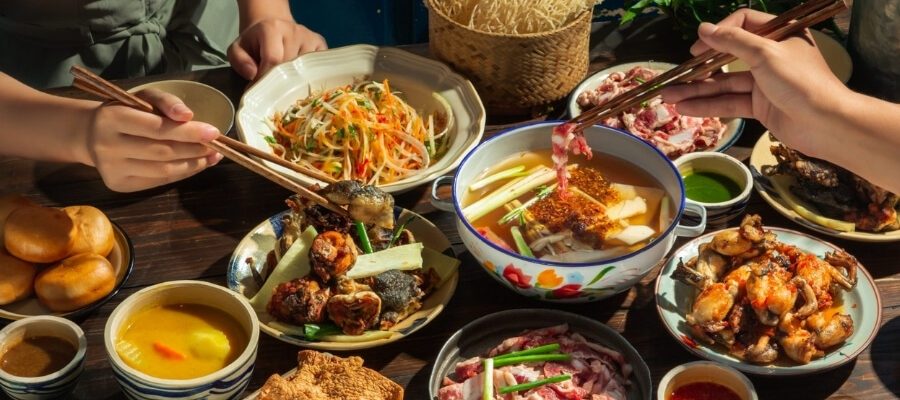
So what exactly is a home-hosted dinner in Vietnam? Imagine this: instead of dining in a crowded tourist restaurant, you’re welcomed into a cozy Vietnamese home by a local family. You might be greeted with the scent of lemongrass, the sound of sizzling pans, and the laughter of children playing nearby. The host prepares a homemade meal with recipes passed down through generations, using ingredients sourced from local markets that same morning.
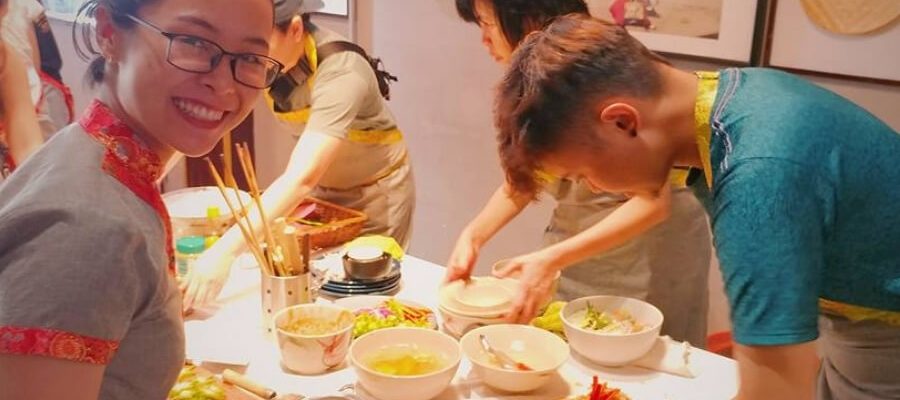
You don’t just eat – you become part of the household for the evening. You might help roll fresh spring rolls, learn how to balance fish sauce and lime in a dipping bowl, or simply sit back and absorb the rhythm of daily life as your host shares insights about Vietnamese customs, family values, and cuisine.
Unlike commercial restaurants that adapt menus for mass appeal, this is Vietnam authentic local dining in its most genuine form. No frills, no filters – just real food, real people, and real culture.
Cultural Dining Experience in Vietnam – A Deeper Layer of Travel
Vietnamese cuisine is a complex blend of flavors, textures, and regional nuances. From the light, herbaceous dishes of the North to the spicy and bold flavors of the Central regions and the sweet-savory balance of the South, every dish tells a story of geography, climate, history, and resourcefulness.
But food in Vietnam is more than nourishment – it’s a vital part of social bonding, ancestral respect, and cultural identity. That’s why a cultural dining experience in Vietnam such as a home-hosted dinner goes far beyond just tasting local dishes. It gives travelers a deeper understanding of how Vietnamese families live, eat, and celebrate.
You’ll see how meals are shared communally, with small dishes placed in the center for everyone to enjoy. You’ll notice how each region has its own approach to herbs, rice, and proteins. You may hear anecdotes about Tet holiday feasts, wedding traditions, or even the importance of certain foods during funerals and ancestral anniversaries.
These aren’t facts you can easily pick up in a cooking class or museum – they’re lived experiences, generously shared over chopsticks and conversation.
Why Travelers Love Home-Hosted Dinners
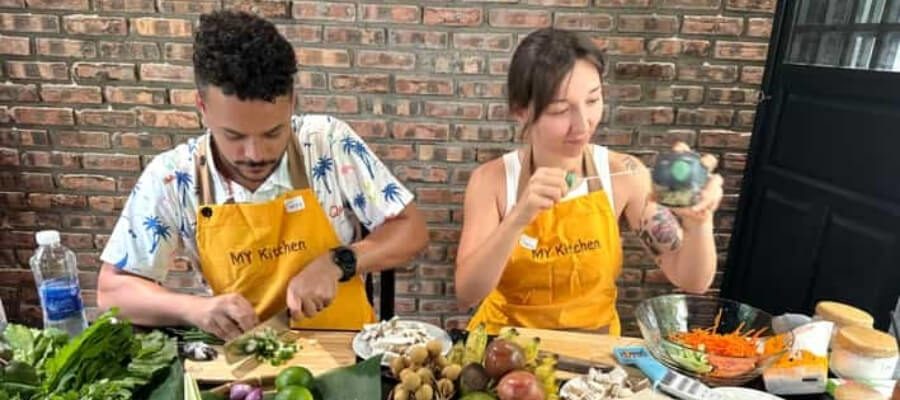
Travelers who participate in home-hosted dinners in Vietnam often describe the experience as the highlight of their trip. For some, it’s the best meal they’ve had – not because of Michelin stars, but because of the love and authenticity behind every dish. For others, it’s the people they remember most: the grandmother who taught them how to wrap bánh cuốn, or the teenage son who proudly shared his English while serving dessert.
Here are just a few reasons why travelers keep raving about this unique dining format:
- Authentic Connection: You’re not just a customer; you’re a guest. The conversations are real, the smiles genuine, and the atmosphere intimate.
- Cultural Discovery: Learn firsthand about Vietnamese etiquette, family dynamics, meal structures, and culinary techniques.
- Unique Access: Most travelers don’t get to see the inside of a local home, much less eat at the family table. It’s a rare and privileged opportunity.
- Feel-Good Travel: Many home-hosted dinners are part of community-based tourism projects, so your participation directly benefits local families.
What’s on the Menu in Home-Hosted Dinner ?
Each home-hosted dinner in Vietnam is unique depending on the host family, the region, and the season. However, most meals include a balance of dishes that reflect the traditional Vietnamese culinary philosophy of yin and yang: hot and cool, soft and crunchy, sour and sweet.
A typical menu may include:
- Fresh spring rolls (gỏi cuốn) with herbs, shrimp, and pork
- Stir-fried morning glory (rau muống xào tỏi) with garlic
- Caramelized clay pot fish (cá kho tộ), a rich and savory southern specialty
- Vietnamese beef stew (bò kho) served with baguette or rice noodles
- Sticky rice with mung beans (xôi đậu xanh) or seasonal tropical fruits for dessert
In some homes, especially in northern Vietnam, you might also experience dishes like nem rán (fried spring rolls), canh chua (sour soup), or even bánh chưng if you visit during Tet.
What ties them all together is the freshness of ingredients, the harmony of flavors, and the pride each family takes in presenting their regional food heritage.
A Glimpse Into Everyday Vietnamese Life
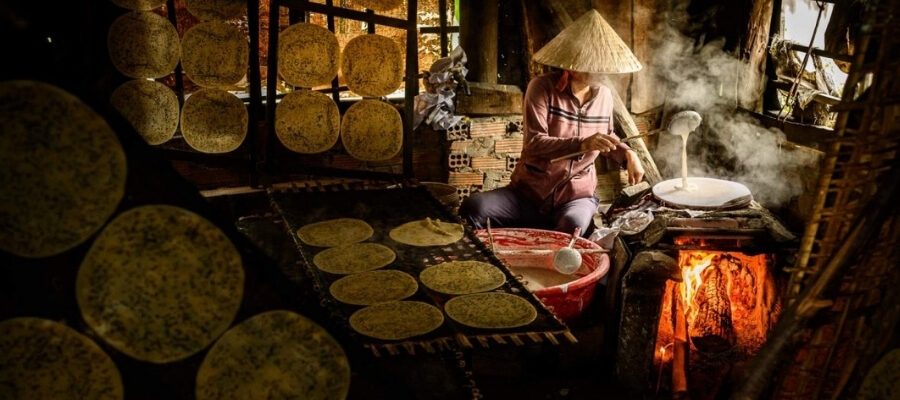
Dining in someone’s home also means seeing things tourists often miss: how rice is stored, how ancestors are worshipped on a family altar, how meals are prepared with cooperation among family members. These quiet, intimate details form the heartbeat of Vietnamese culture.
You might notice how important respect for elders is – hosts will often serve grandparents first, or pour tea before anyone eats. You may learn why fish sauce is served in a specific type of bowl, or how meals differ between workdays and holidays. It’s these seemingly small moments that add immense depth to your understanding of the culture.
This Vietnam authentic local dining experience doesn’t just fill your stomach – it expands your worldview.
Ideal for Solo Travelers, Families, and Cultural Explorers
Whether you’re a solo backpacker, a honeymooning couple, or a family introducing your kids to new cultures, a cultural dining experience in Vietnam is suitable for all.
Solo travelers often find it a warm, welcoming way to connect with locals. Couples love the romantic setting of a candlelit dinner in a courtyard or garden. Families appreciate the interactive aspect – many hosts love teaching kids how to fold dumplings or recognize local herbs from their backyard.
For anyone craving travel that is not just seen, but felt, this is an ideal way to slow down and appreciate the human side of a country often described in terms of speed and chaos.
How to Book a Home-Hosted Dinner in Vietnam
You can find home-hosted dinners in several regions of Vietnam, but Hanoi is especially well-known for them due to its blend of traditional values and growing community-based tourism.
There are local platforms and tour operators that vet and train host families, ensuring both cultural sensitivity and food safety. Some dinners are part of larger experiences, such as market tours or cooking classes, while others are purely focused on the meal and conversation.
When booking, look for reviews that mention authenticity, host interaction, and food quality. Avoid overly commercialized versions that feel more like performances than dinner.
Final Thoughts – The Soul of Vietnam Is Served at the Table
In a world where tourism is often fast, filtered, and superficial, the rise of home-hosted dinners in Vietnam is a welcome shift. They bring us back to what travel should be: human connection, cultural understanding, and shared joy.
If you’re planning a trip to Vietnam and want to experience the country with your heart – not just your eyes and camera – make room in your itinerary for a cultural dining experience in Vietnam. Let yourself be welcomed in our home-hosted dinner as a guest, eat like a local, and carry home not just souvenirs, but memories that feed the soul.
0 Comment