
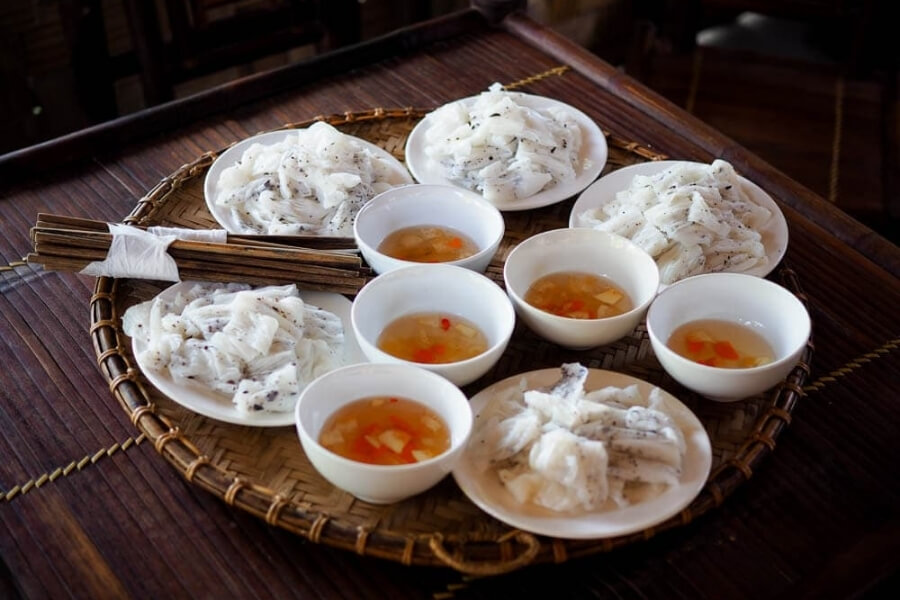

Traveling through Vietnam as a vegetarian may seem daunting at first. With iconic dishes like phở bò and bún chả taking center stage, many travelers worry they’ll miss out on the country’s deeply rooted food culture. But hidden just beneath the meat-heavy surface is a vibrant, plant-based culinary tradition – one that finds its most authentic expression in the intimate setting of a vegetarian home host dinner in Hanoi.
More than just a meal, this experience offers a warm welcome into a local family’s home where the menu is lovingly adapted to suit vegetarian guests. Here, you won’t be ordering tofu off a menu. Instead, you’ll be discovering how Vietnamese families creatively use local vegetables, herbs, and seasonings to serve flavorful, balanced, and spiritually rooted dishes.

Vegetarian Home Host Dinner Hanoi – An Invitation into Family and Flavor
The idea of a vegetarian home host dinner in Hanoi might sound like a niche offering, but it’s actually deeply intertwined with Vietnamese spiritual and cultural traditions. Many Vietnamese households – especially those influenced by Buddhism – regularly prepare vegetarian meals, known as cơm chay, whether for religious observance, health, or environmental reasons.
When a vegetarian traveler books a home host dinner, the host family doesn’t simply remove meat from their standard menu. Instead, they curate a new set of dishes rooted in traditional Vietnam vegetarian cuisine, ensuring you experience authentic flavors without compromise.
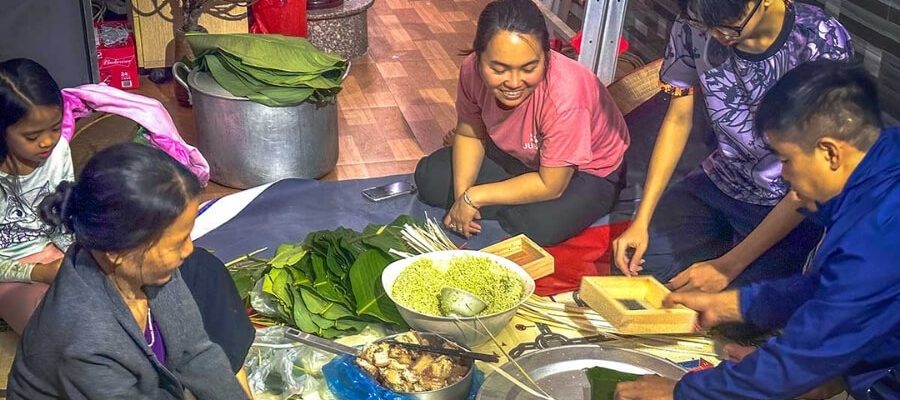
Upon arrival, guests are welcomed with fragrant herbal tea and light snacks – perhaps mung bean cakes or sesame rice crackers. There’s often a short tour of the home, sometimes including a peek into the family altar or herb garden. Soon, you’ll join your hosts in the kitchen, learning how to prepare dishes like đậu sốt cà chua (tofu in tomato sauce) or gỏi hoa chuối (banana blossom salad). The joy is not just in cooking – it’s in the laughter, stories, and the pride hosts take in sharing their way of life.
Hanoi Vegetarian Dining with a Personal Touch
While the city is slowly becoming more vegetarian-friendly, Hanoi vegetarian dining still varies greatly in quality and authenticity. Home host dinners offer a rare and genuine alternative to commercial vegetarian restaurants, where flavor can often feel watered down to suit Western tastes.
In a local home, dining is sacred. Meals are crafted with care, respecting the balance of five elements and five tastes – sour, bitter, sweet, spicy, and salty. Even a simple bowl of steamed pumpkin is cooked with intention: seasoned with just enough soy sauce, garnished with fresh coriander, and paired with a pickled vegetable to create contrast and harmony.
You’ll find dishes like:
- Canh rau ngót – sweet leaf soup with mushrooms
- Nấm kho tộ – braised mushrooms in clay pot with caramelized soy
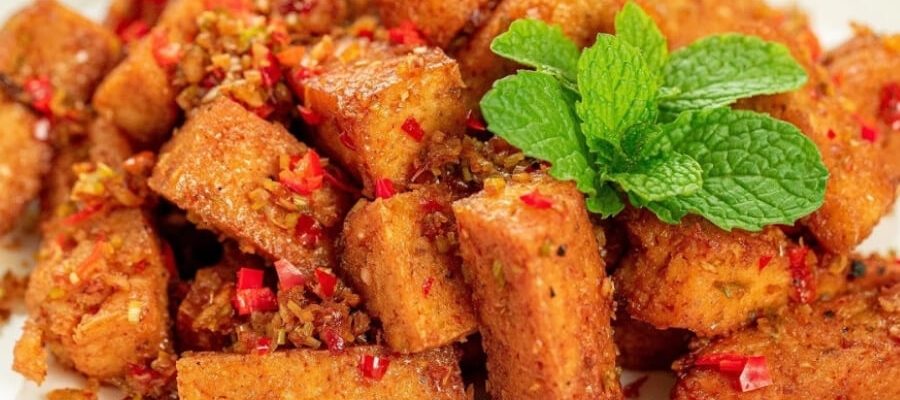
- Chả chay – vegetarian rolls made from taro or tofu, wrapped in rice paper and fried until golden
- Xôi lạc – sticky rice with peanuts, sometimes topped with sesame salt or mung bean paste
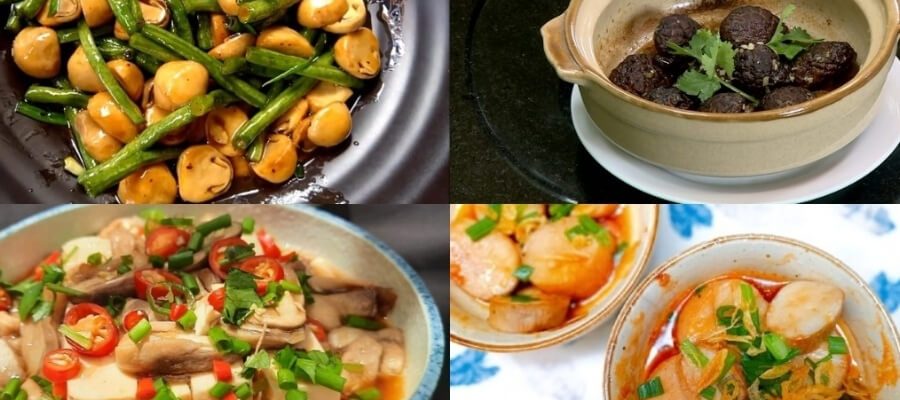
What makes Hanoi vegetarian dining at a home host dinner truly special is the context. As you sit cross-legged around the family tray or at a low wooden table, you’re not just eating – you’re listening to stories of harvest seasons, grandma’s kitchen secrets, and why certain dishes are served during religious festivals or full moon days.
Vietnam Vegetarian Cuisine – Rich, Regional, and Rooted in Tradition
Contrary to the misconception that Vietnamese food is all fish sauce and grilled pork, Vietnam vegetarian cuisine is both ancient and diverse. Rooted in Buddhist teachings and a respect for nature, vegetarianism is often practiced on the 1st and 15th days of the lunar month, as well as during major religious holidays. In these times, even staunch meat-eaters switch to vegetarian meals as a form of spiritual cleansing.
This cultural flexibility means that nearly every Vietnamese dish has a vegetarian equivalent. In a host dinner setting, you might encounter:
- Vegetarian phở made with mushroom broth, star anise, cinnamon, and grilled onion
- Bánh xèo chay, sizzling turmeric crepes filled with bean sprouts and tofu
- Bún riêu chay, a tomato-based noodle soup with tofu and mushroom “crab” paste
- Cà tím nướng mỡ hành, grilled eggplant with scallion oil
Families often draw from generations of knowledge to substitute meat with local plant-based proteins such as tofu, seitan, and mung beans. The result is a spread that is not only satisfying, but surprisingly complex in flavor and texture.
Through the lens of Vietnam vegetarian cuisine, guests come to understand the Vietnamese worldview – one where food is medicine, cooking is a form of care, and simplicity is beauty.
How Host Families Customize a Vegetarian Home Host Dinner Hanoi
One of the most heartwarming aspects of a vegetarian home host dinner in Hanoi is the level of thoughtfulness that goes into menu preparation. These aren’t standardized meals. Hosts typically contact guests beforehand to ask about preferences, allergies, and dietary beliefs (vegan, ovo-lacto vegetarian, gluten-free, etc.).
Many hosts are home cooks with extensive experience preparing meatless dishes – either for their own families or for religious communities. They may share how a certain dish was once made with pork but now uses grilled tofu or mushrooms to recreate the depth of umami.
Adaptation doesn’t mean compromise – it means innovation. You’ll witness how rice paper can be stuffed with young jackfruit, or how roasted peanuts add crunch to salads typically topped with shrimp. Ingredients like lotus seeds, seaweed, wood ear mushrooms, taro, and green papaya are used creatively and respectfully.
And because the experience is personal, you’ll also hear the why behind each dish: why the host’s grandmother insisted on soaking tofu overnight, why morning glory must be stir-fried quickly over high heat, why sweet soup is the final note of every celebration.
Cultural Exchange Over a Hanoi Vegetarian Dining Table
What sets a Hanoi vegetarian dining experience apart is the intimacy. Over the course of a few hours, cultural walls melt away. The conversation moves from “Where are you from?” to “What values do you bring to your meals?”
One Australian guest once remarked, “I’ve dined in Buddhist temples, but nothing compares to being inside someone’s home, watching their children laugh, and learning how tofu can carry the memory of family rituals.”
Families often bring out photo albums, explain altar offerings, and recount New Year traditions. Guests, in turn, share their own customs – sometimes even suggesting a vegetarian dish from their home country, sparking cross-cultural culinary brainstorming.
In a world of fast travel, this kind of slow, intentional dining offers something few experiences can: genuine connection.
Practical Tips for Booking a Vegetarian Home Host Dinner in Hanoi
As vegetarian home host dinners in Hanoi become more popular, it’s important to choose experiences that prioritize authenticity and mutual respect. Here are some tips to help you make the most of your dinner:
- Book through reputable local tour providers who work directly with host families.
- Specify your dietary needs clearly: vegan, vegetarian, or flexible.
- Avoid last-minute bookings, as hosts need time to shop for fresh ingredients.
- Come hungry – and curious. Bring questions, stories, and an open mind.
- Leave room for dessert – Vietnamese sweet treats are often made from beans, coconut milk, and glutinous rice.
Some hosts also offer:
- Market visits to learn about local produce
- Cooking classes before dinner
- Cultural activities such as tea ceremonies or language exchanges
Why Vegetarian Home Host Dinners in Hanoi Are Gaining Global Appeal
Travelers today want more than just photo ops – they crave authenticity. For vegetarians, that craving often comes with worry: Will I find food that fits my values and lets me experience real culture?
The vegetarian home host dinner Hanoi experience answers both needs. It proves that you don’t need fish sauce to understand Vietnam. You need open arms, a humble kitchen, and a shared bowl of soup.
And for the hosts, these dinners are equally rewarding. Many families see them as a way to share their culture, improve their language skills, and forge meaningful human connections.
0 Comment